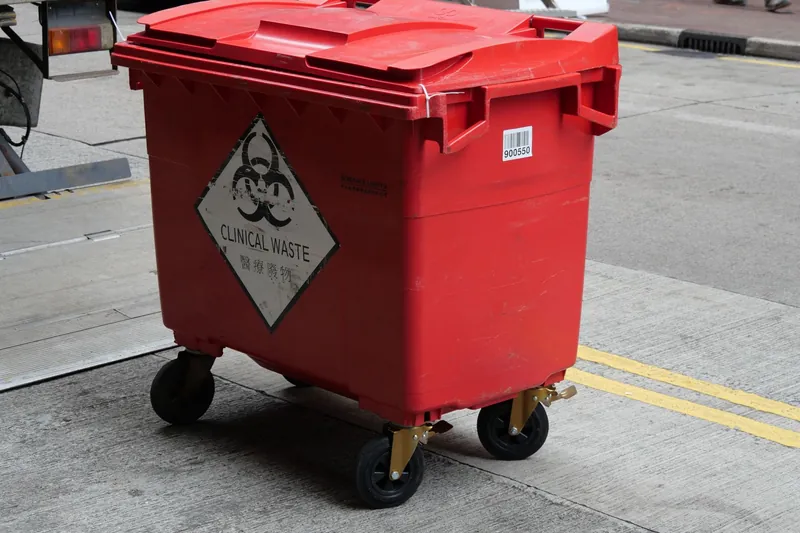
Medical Waste Removal
After medical waste removal, disposal takes place through approved treatment facilities.
See medical waste removalGet discarded needles, syringes and related sharps removed from a yard, rental, park, alley or commercial property in Barnes Lake. Keep people and pets away until the affected area has been searched and cleared.
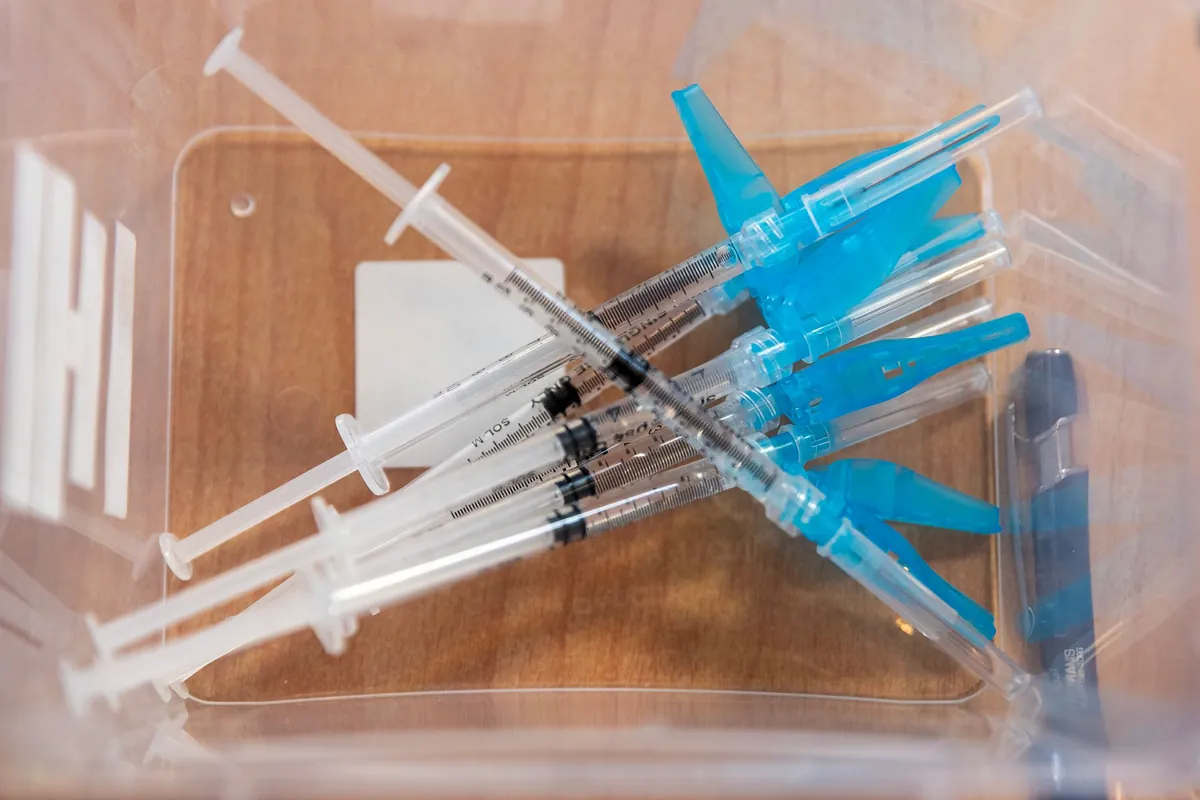
This cleanup is the controlled location and safe collection of discarded sharp objects, including lancets, blades, syringes and needles. The items are contained and disposed of according to the waste requirements that apply.
The scope ranges from collecting one visible syringe to searching a broad area section by section. Checks cover stairwells, trash locations, vacant units, planters, fence borders, mulch, grass and concealed space underneath furnishings or debris. To avoid bringing a hand near a sharp tip, technicians rely on tongs or another suitable tool. Every collected piece enters a rigid container made to resist punctures instead of being placed loosely in a bag.
Property work involving abandoned needles commonly follows unauthorized entry, drug activity, the close of an encampment or a renter leaving. The biohazard cleanup can extend beyond sharps to nearby contaminated items, drug paraphernalia and minor bodily fluid spots. Instead of mixing everything into normal litter, technicians sort the materials and package or clean each one according to its type.
For privacy at residences, businesses and rentals, an arriving crew may be in unmarked vehicles, and calls receive answers day or night.
Service notes, photos and available waste records help property owners, managers and insurance companies understand the completed work.
Belongings are checked methodically, and items that can stay are separated from contaminated materials and waste.
The cleanup plan explains which areas will be searched, what may need to move and what affects the cost before the cleanup process begins.
Needle removal is needed whenever a sharp could puncture a person during normal use, maintenance or cleaning. No cleaning service fits every situation, so the search area should match what was found and how the property is used. Common situations include:
Keep cleaners, contractors and future occupants out until needles in the unit, shared space, furniture or rubbish have been collected under controlled conditions.
Do not compress or move debris until the location has been checked, since bedding, vegetation, rubbish and tents can obscure sharp items.
One found syringe can call for an expanded sweep of paths, play areas, restrooms, planting beds and the edges of parking areas.
Use care when syringes appear beside foil, pipes, glass or unidentified residue because physical dangers and contamination risks can occur together.
Start by preventing contact. A few calm steps protect you and preserve the affected areas for a complete sharps sweep:
Call (888) 440-9227A dollar range made only for needles and sharps does not appear in published guides. Nearby services give some context. General biohazard cleanup runs $3,000 to $5,000 for a job while small practice waste pickup is $75 to $200 monthly and disposal by weight is $2 to $20 per pound. None of them is your price. A site assessment looks at the items, the search area and the disposal route first.
The figures shown are national ranges from published cost guides and are not based on an on-site visit. You learn what your property will cost after the on-site assessment and before any work begins.
Ask about cost: (888) 440-9227Whether coverage applies is determined by the reason needles are there, their location and your policy terms. When waiting poses no safety issue, contact the insurance company before cleanup starts.
Ask whether the event is covered, whether cleanup must be approved first and which photos, service notes or waste records are needed to move forward with the claim.
Homeowners or renters insurance, the estate or the property owner usually pays for this kind of cleanup. The Michigan crime victim compensation program helps only when a crime caused the loss.
Who bears the cost is affected by local requirements, the cause and provisions in the lease. If property owners or managers oversee the unit, they should document it before collecting abandoned sharps.
Property insurance may apply if the sharps resulted from covered trespassing, vandalism or some other event included by the policy. Give the adjuster photos and a clear description of the incident.
Needle cleanup involves access control, a deliberate search, safe collection and a final visual check. The scope changes with the property, but every step follows a clear order.
To set the affected area's limits, cleanup technicians examine the surfaces, known locations and recent activity at the property.
While entry remains controlled, technicians use protective equipment suited to contamination and puncture hazards. Work starts at a clear edge.
The site is searched in sections, including vegetation, bedding, planters, furniture, floor edges, trash zones and other likely hiding places.
Every sharp in view is collected using a pickup device such as tongs. It is not bent, broken, recapped or carried loose.
Syringes, needles and related sharps are placed immediately in a hard, puncture-resistant container with a closure for transportation.
Technicians remove surrounding bodily fluids and hazardous materials, then treat suitable surfaces using an EPA-registered disinfectant for the complete label contact time.
Closed containers move through the waste route required for that material and location, with available service and disposal records kept together.
Technicians repeat the visual search, identify any areas that could not be accessed and explain what was removed before the site is reopened.
Phone any hour. A specialist in needle and sharps cleanup takes your call, explains each step and agrees on a start time with you.
The main danger is a puncture or cut from a sharp that may also carry contaminated material. These serious health risks are why every discarded item should be treated as a hazard and why a wider area may need a methodical search by cleanup technicians.
An used needle puncture may expose someone to bloodborne pathogens. OSHA's Bloodborne Pathogens Standard, 29 CFR 1910.1030, sets worker protections when occupational exposure to blood may occur.
A loose sharp can pierce an ordinary trash bag and injure someone who lifts, sorts or transports it. During waste disposal, a hard-sided sharps container reduces the risk of puncture.
Needles left behind can be difficult to see beneath bedding, foliage, cushions, trash, long grass or spaces between floorboards. One discovered sharp calls for a check of the surrounding areas before the space reopens.
Can you clean it yourself? Do not touch a single found sharp, whether your hands are bare or covered by gloves. Keep people away and follow local sharps guidance or request professional cleanup. If anyone is punctured, wash the area with soap and water and seek prompt medical advice about the exposure.
Puncture-resistant containers hold the collected sharps. When nearby surfaces show contamination, they are cleaned. Regular property can remain when technicians are able to inspect it and determine that retaining it is safe.
When employees may encounter blood, the OSHA Bloodborne Pathogens Standard, 29 CFR 1910.1030, addresses exposure controls, protective equipment and additional safeguards.
If a compatible surface has blood or bodily fluids, keep it wet with the selected EPA-registered disinfectant for the entire contact time on the product label.
Michigan treats these materials as potentially infectious medical waste. The Department of Environment, Great Lakes, and Energy enforces rules on handling, storage, treatment and disposal, so it cannot go in household trash.
Cleanup must wait for the required release if discarded sharps are part of a death scene or current law enforcement investigation. Local health and building rules can affect how a contaminated room is cleaned and when it can be used again, so mention any notice you have received from the city or county.
A clearly visible single object generally needs less time than searching an entire property, yet one duration cannot apply everywhere. Work takes longer with restricted access, heavy debris or concealed sharps.
The full needle and sharps cleanup guide covers what is cleaned or removed, odor and air quality work, and the rules that apply in your state.
Read the full needle and sharps cleanup guidePlanning for access, containment and cleanup can depend on local population, housing and entry conditions.
A renter share of 35.8% means clear photos and item records can help different parties follow what cleanup required.
A median construction year of 1959 means older wall and floor assemblies may require careful inspection beneath the visible surface.
There are 14 seniors living alone locally, making simple welfare check plans useful even when the overall share is lower.
In an area with 95.2% single-family housing, sewage or fluids may reach lower levels through stairs, drains, and utility openings.
During your call, ask whether cleanup is available in surrounding communities and ZIP codes.
After medical waste removal, disposal takes place through approved treatment facilities.
See medical waste removal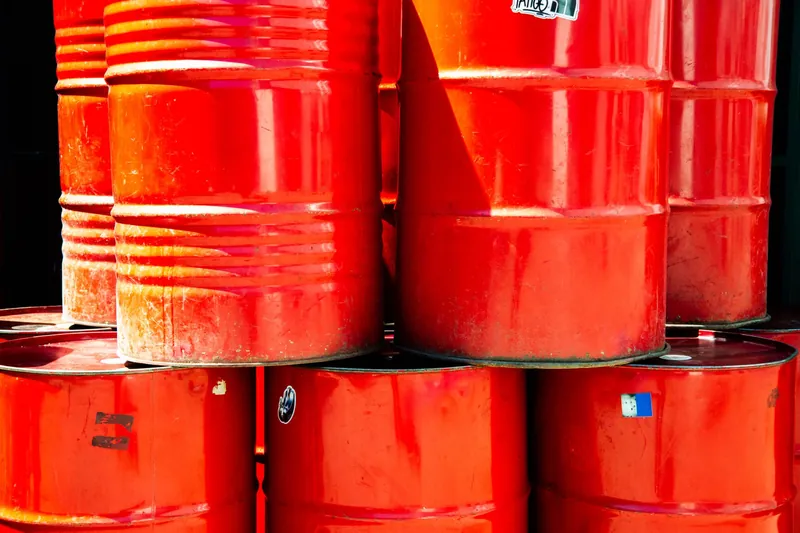
Pickup and disposal of biohazard waste use containers that are sealed and labeled.
See biohazard waste disposal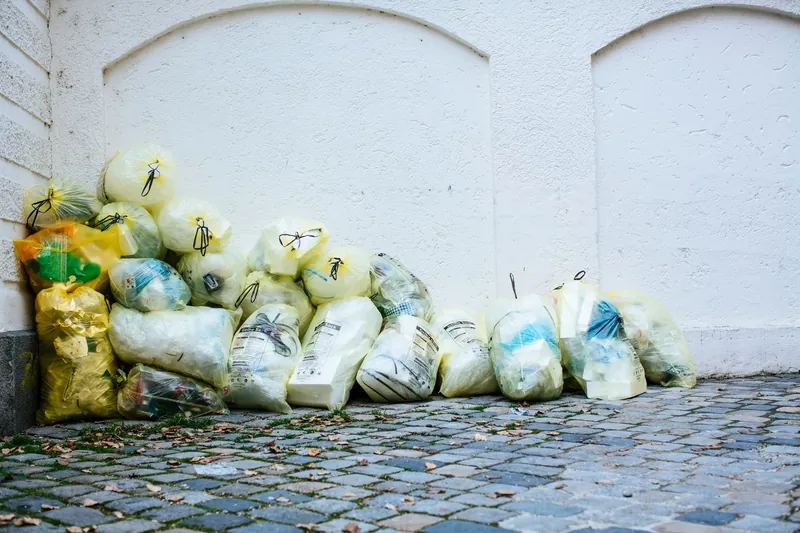
Removal of needles, pipes and drug residue from rentals and properties.
See drug paraphernalia cleanup
Homeless encampment cleanup of needles, waste and contaminated debris.
See homeless encampment cleanup
Biohazard cleanup addresses Airbnb accommodations, hotels and other rental units.
See hotel, Airbnb and rental biohazard cleanup
Commercial and industrial sites receive biohazard cleanup arranged around operating needs and site access.
See commercial and industrial biohazard cleanup
Blood cleanup controls exposure to HIV as well as hepatitis B and hepatitis C.
See bloodborne pathogen cleanup
Removal and disinfection of blood, body fluids and other infectious material from any property.
See biohazard cleanupPotentially, yes. Describe visible pipes, tiny bags, glass fragments, foil and unknown residue to the cleanup service when you ask for help. Each item needs individual assessment since the physical and contamination risks may differ. The scope needs to identify whether technicians address sharps alone or collect paraphernalia, contamination nearby and other hazardous waste as well.
Clean the spot using soap and water, then contact a medical professional for guidance without delay. A medical professional can evaluate what happened and discuss follow-up care or tests. Do not touch the needle for inspection or apply aggressive pressure to the wound. Keep everyone clear and request safe removal if the sharp has not been collected.
Never put an unsecured syringe inside a normal waste bin or garbage bag. A syringe may pierce the plastic and hurt a tenant, cleaner or person collecting waste. Place sharps in a hard container designed to resist punctures, then use the disposal method required for the waste type and location. Instructions for residential sharps may not match local requirements governing cleanup or commercial waste.
Landlords should never collect sharps loosely, and cleaners or contractors must remain outside until the danger is contained. Professional inspection is particularly helpful if sharps could hide in vents, rubbish, drawers, furnishings or flexible materials. Before proceeding, capture what is in view, examine your policy and lease, and identify the waste route mandated by the state.
No sharps-specific range appears in published pricing guides. The number of items, size of the search area, hidden debris, access and waste disposal determine the price. For context only, you can see related medical waste figures and broader biohazard pricing here. An inspection is necessary to determine a cost for your particular site.
On its own, a needle typically creates neither ongoing odor nor an air quality issue. Nearby waste, spoiled items, bodily fluids or a separate source may be responsible for the odor. Technicians should determine what is causing the issue and remove it. Sharps collection does not always require air treatment, which should be chosen according to contamination confirmed at the location.
Discreet, respectful needle and sharps cleanup, 24 hours a day, with crews in unmarked vehicles.